1. Introduction
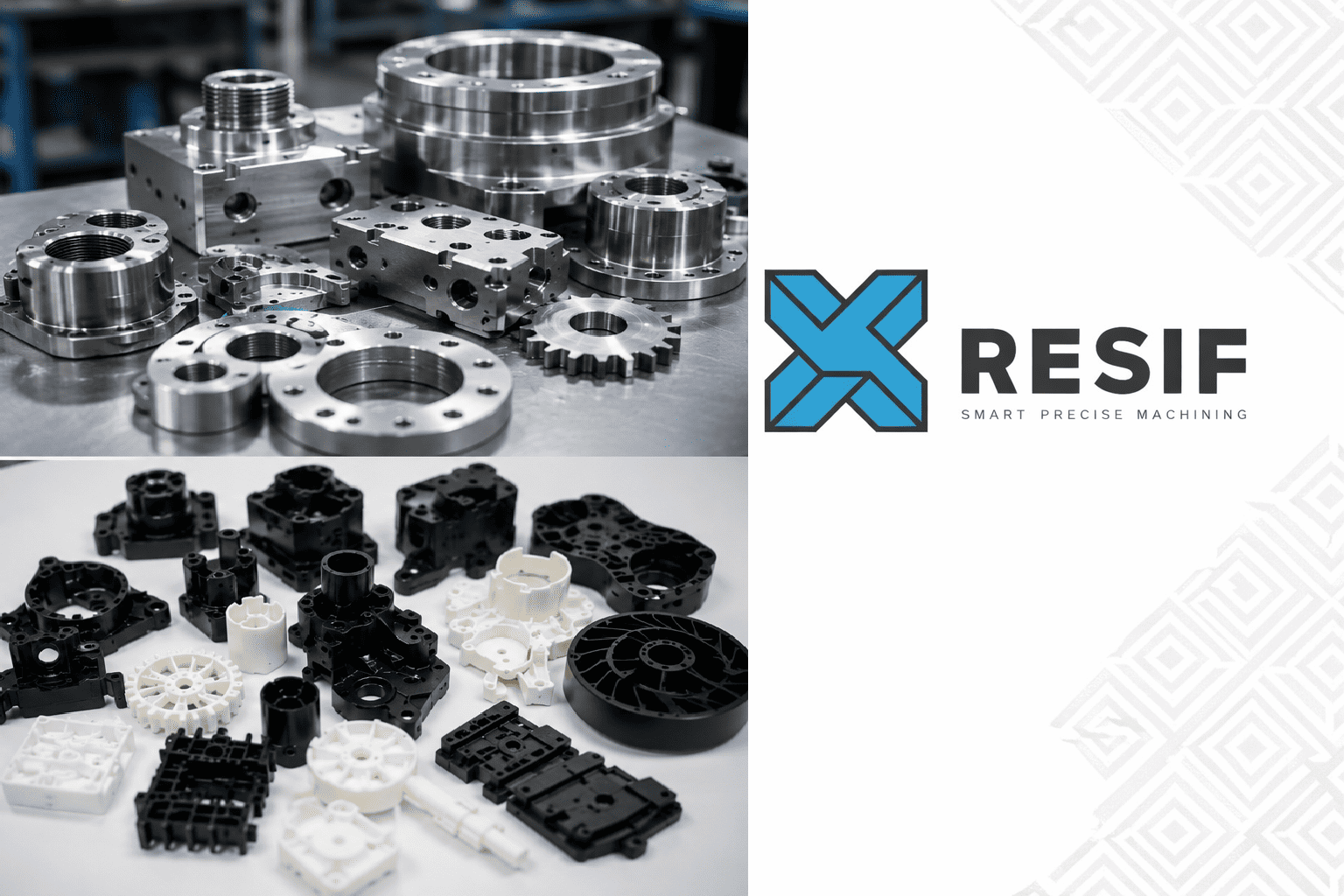
The manufacture of metal and plastic parts is a critical area of modern industrial production, providing mechanical engineering, instrument making, automation, robotics, and equipment repair with precision components tailored to individual requirements. Growing demand for small-scale production, remanufacturing of rare components, and custom-made parts is driving the rapid adoption of high-precision technologies: metalworking, plastics processing, additive manufacturing, and complex custom manufacturing.
2. Metal Parts Manufacturing
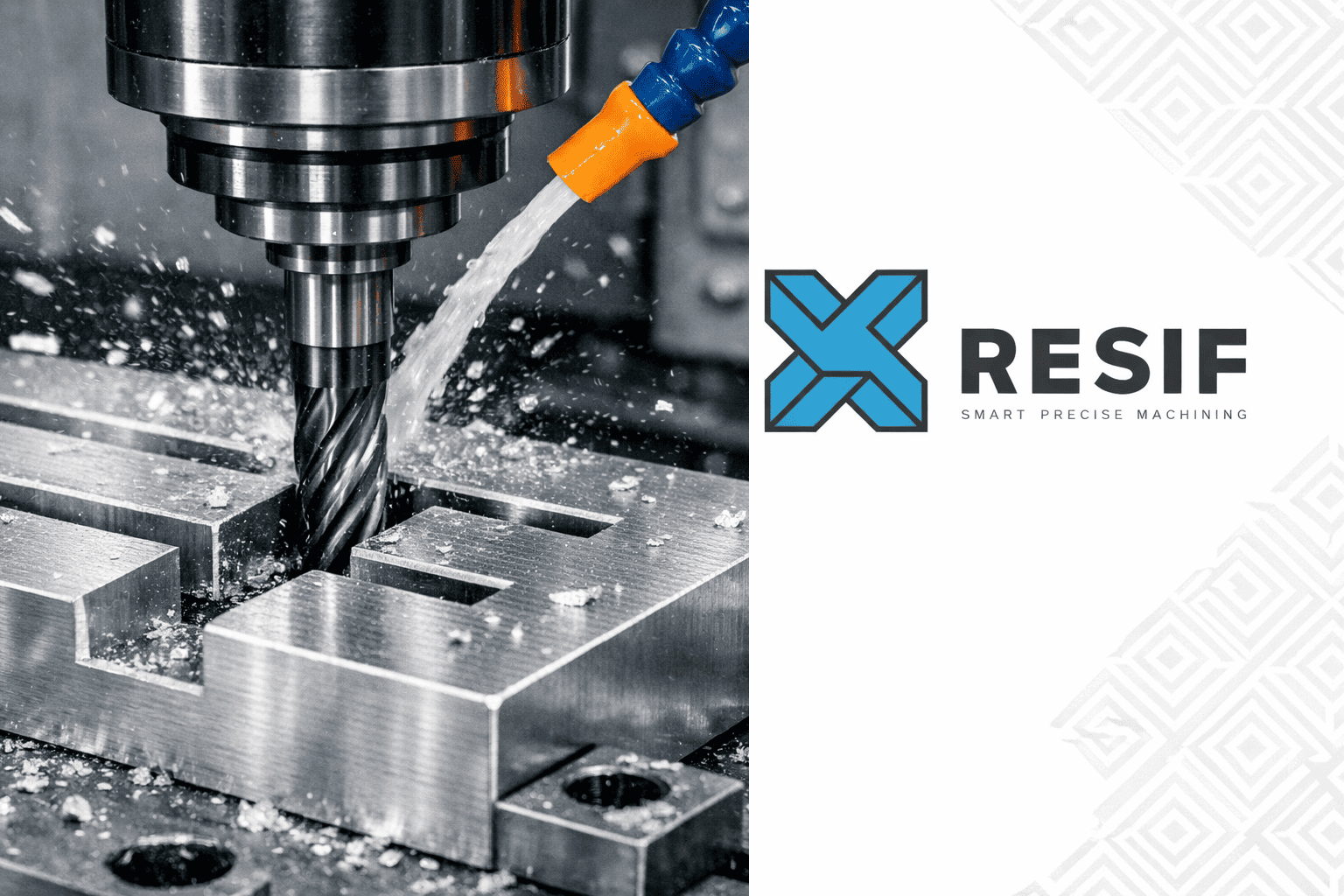
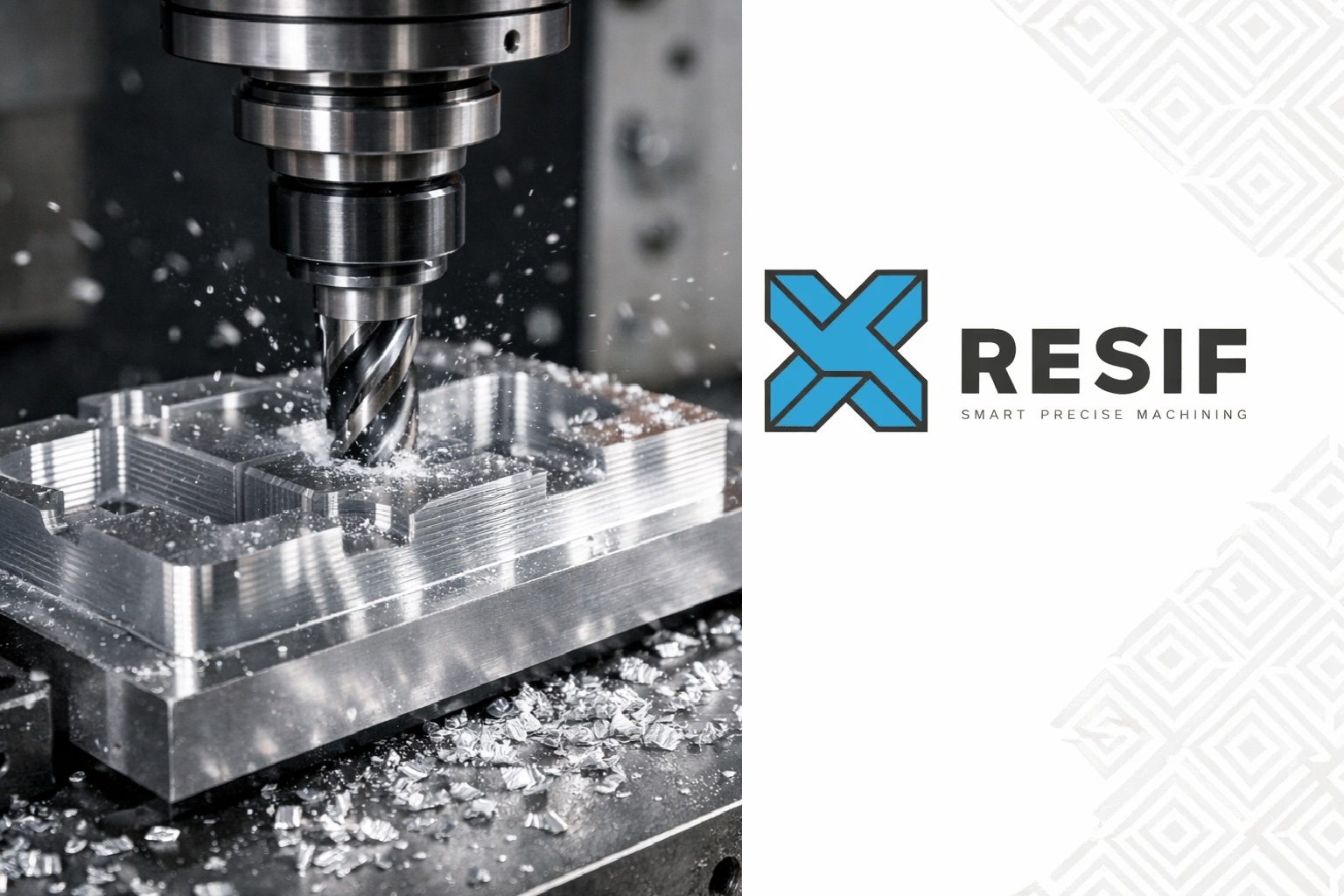
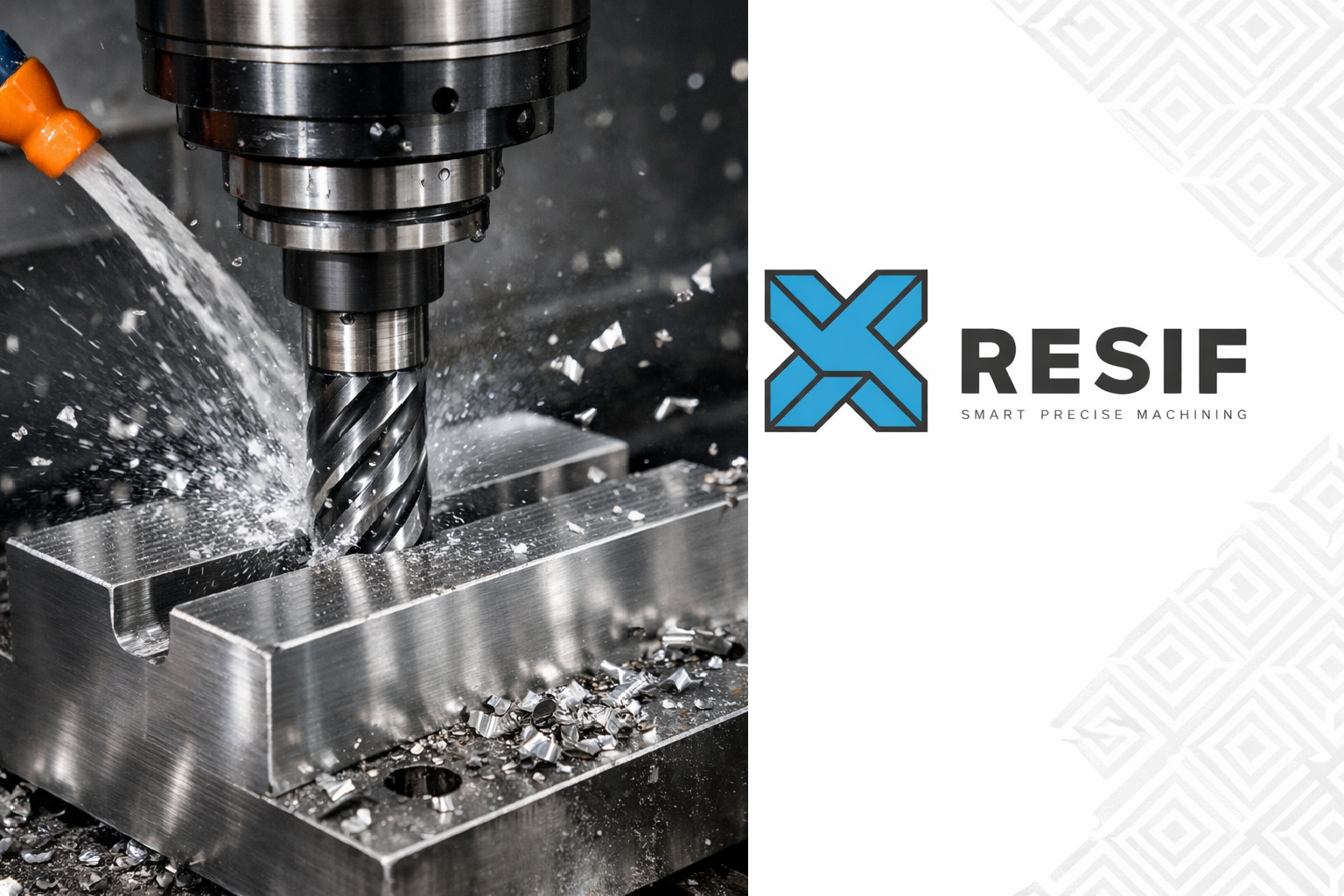
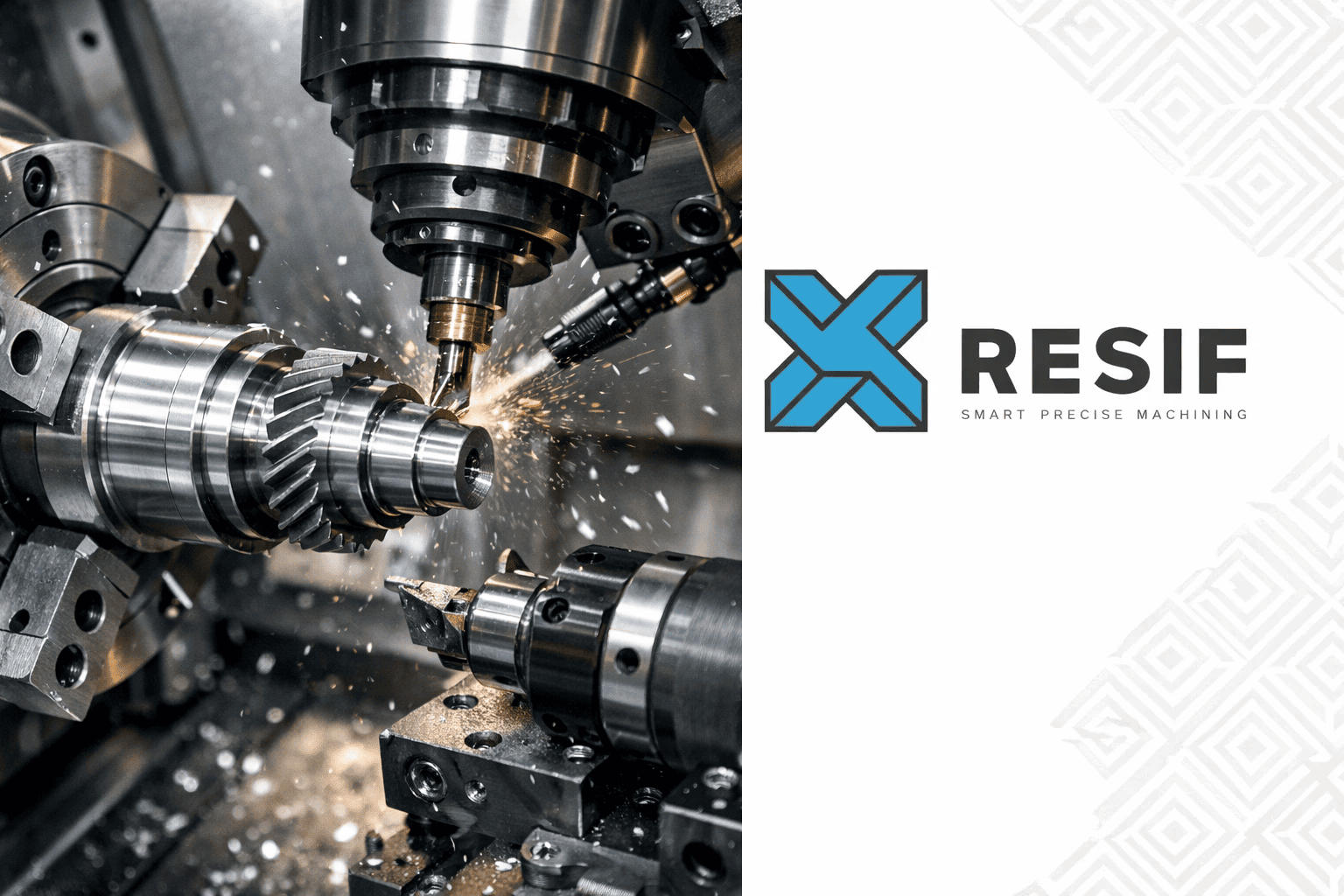
Metal parts manufacturing involves the machining of structural steels, stainless steels, aluminum alloys, brass, bronze, copper, and titanium, each group of materials requiring specific cutting, cooling, and subsequent heat treatment conditions. Metal parts are used in highly loaded applications, so precision, dimensional stability, roughness, and compliance with ISO tolerances are essential.
Primary metalworking technologies:
- Turning;
- Milling;
- Laser cutting;
- Welding;
- Grinding;
- Heat treatment.
Examples of metal products:
- Trunnion;
- Bracket;
- Optical instrument housing;
- Underwater research vehicle hull component;
- Hydraulic cylinder housing;
- Hub.
Key requirements for surface accuracy and quality:
- Dimensional accuracy: from ±0.01 mm for high-precision fits to ±0.1 mm for load-bearing elements and housings.
- Surface roughness: Ra 0.2–0.4 µm for ground surfaces; Ra 1.6–3.2 µm for milled surfaces; Ra 6.3–12.5 µm for rough machining.
- Geometric tolerances: parallelism, perpendicularity, runout, and flatness — in the range of 0.01–0.05 mm, depending on the accuracy class.
- Seats: Compliance with tolerances H7, H8, h6, and h7 for shafts and bores.
- Hardness testing: After heat treatment, 45–62 HRC for tool and structural steels.
- Dimensional stability: Mandatory inspection after heat treatment and grinding to prevent deformation.
3. Plastic Parts Manufacturing
Plastic parts manufacturing is used in applications requiring weight reduction, electrical insulation, chemical resistance, or cost effectiveness. Plastics vary in heat resistance, elastic modulus, and deformation resistance, which determines the choice of processing technology-mechanical or additive.
The main methods for manufacturing components are:
- mechanical machining;
- 3D printing.
Table 1. Properties of common plastics
| Material | Operating temperature, °C | Strength, MPa | Application |
| ABS | −20…+80 | 40–50 | Instrument housings |
| PLA | 0…+50 | 55–60 | Prototypes |
| PETG | −20…+70 | 45–50 | Fasteners |
| PA12 | −40…+100 | 50–70 | Gears, bushings |
| PC | −40…+120 | 60–70 | Protective elements |
4. 3D Printing
FDM 3D printing is used for prototyping, small-scale production, and the manufacture of complex geometries inaccessible to traditional methods. FDM printing allows the use of engineering polymers, providing sufficient strength and precision for functional parts.
Advantages of FDM printing:
- Low cost;
- Ability to produce complex shapes;
- No need for tooling;
- Rapid prototype production.
Examples of parts that can be manufactured using 3D printing:
- Prototype housings and mechanisms;
- Industrial tooling;
- Small-scale plastic components;
- Fasteners;
- Adapters, reducers, and housings.
Table 2. FDM Printing Parameters
| Parameter | Value |
| Layer Thickness | 0.1–0.3 mm |
| Accuracy | ±0.2 mm |
| Extruder Temperature | 190–260 °C |
| Plate Temperature | 50–110 °C |
5. Manufacturing of machine tool components
Manufacturing machine tool components requires high precision, wear resistance, and dimensional stability, as these components operate under dynamic loads, vibration, and temperature fluctuations. High-precision machining, grinding, heat treatment, and geometric control are used to ensure long service life.
Typical machine tool components:
- Guides;
- Bushings;
- Gears;
- Housings;
- Fasteners.
Table 3. Requirements for machine parts
| Parameter | Value |
| Accuracy | up to ±0.005 mm |
| Roughness | up to Ra 0.2–0.4 µm |
| Hardness after heat treatment | 45–62 HRC |
| Runout tolerance | 0.01–0.03 mm |
6. How RESIF Technologies Bel LLC manufactures custom parts
RESIF Technologies Bel LLC manufactures metal and plastic parts according to drawings for Belarusian companies, providing a full production cycle, from material selection to quality control. The company utilizes turning and milling centers, grinding equipment, and a heat treatment facility. The company also has a 3D printer, enabling the production of plastic parts based on a previously created digital model using FDM printing. While focusing primarily on small- and medium-scale production, the company is also willing to consider requests for individual parts if its production capacity and technological capabilities allow for such an order. Quality control is performed in accordance with GOST and ISO standards, ensuring parameter stability and dimensional repeatability.
Advantages of partnering with RESIF Technologies Bel LLC:
- Full production cycle;
- Modern equipment;
- High machining precision;
- Quality control according to GOST and ISO;
- Customized solutions.
7. Conclusion
Modern production of metal and plastic products relies on a wide range of technologies, each applied depending on the material, design, and functional requirements. This differentiated selection of technologies allows companies to produce components that optimally meet the needs of specific equipment and operating conditions.
RESIF Technologies Bel LLC invites companies seeking to manufacture metal and plastic products or remanufacture components to partner with us. Contact RESIF Technologies Bel LLC for a consultation and a commercial offer.