Introduction
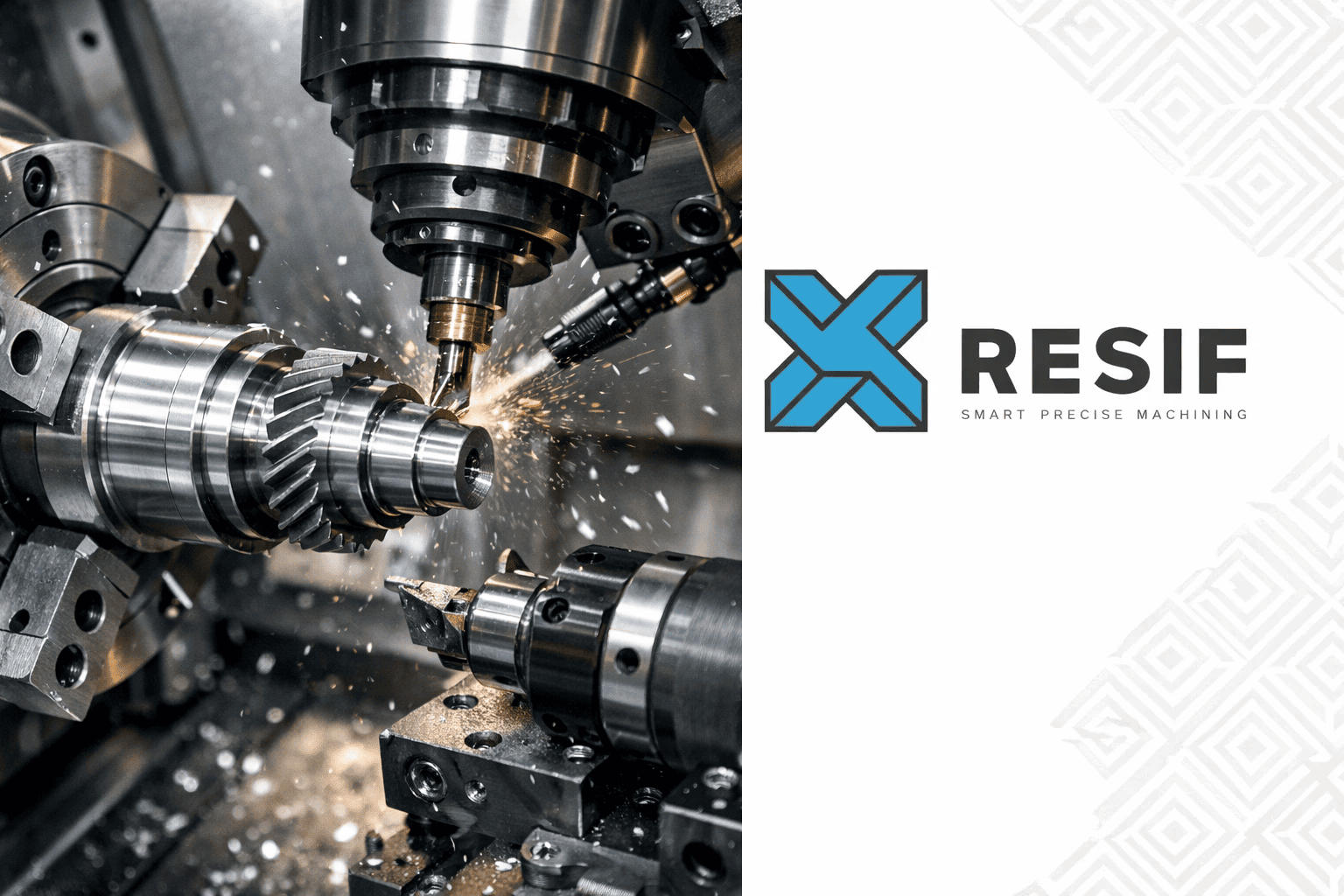
Turn-milling is a comprehensive technology that enables several types of machining to be performed on a single machine, significantly reducing production cycles and improving manufacturing accuracy.
Modern CNC turn-milling centers operate using digital models, automatically perform a sequence of operations, and enable the production of parts with complex geometries without re-setting the workpiece. This makes the technology optimal for both serial and small-scale production, where repeatability, speed, and minimization of human error are essential.
What is turn-milling
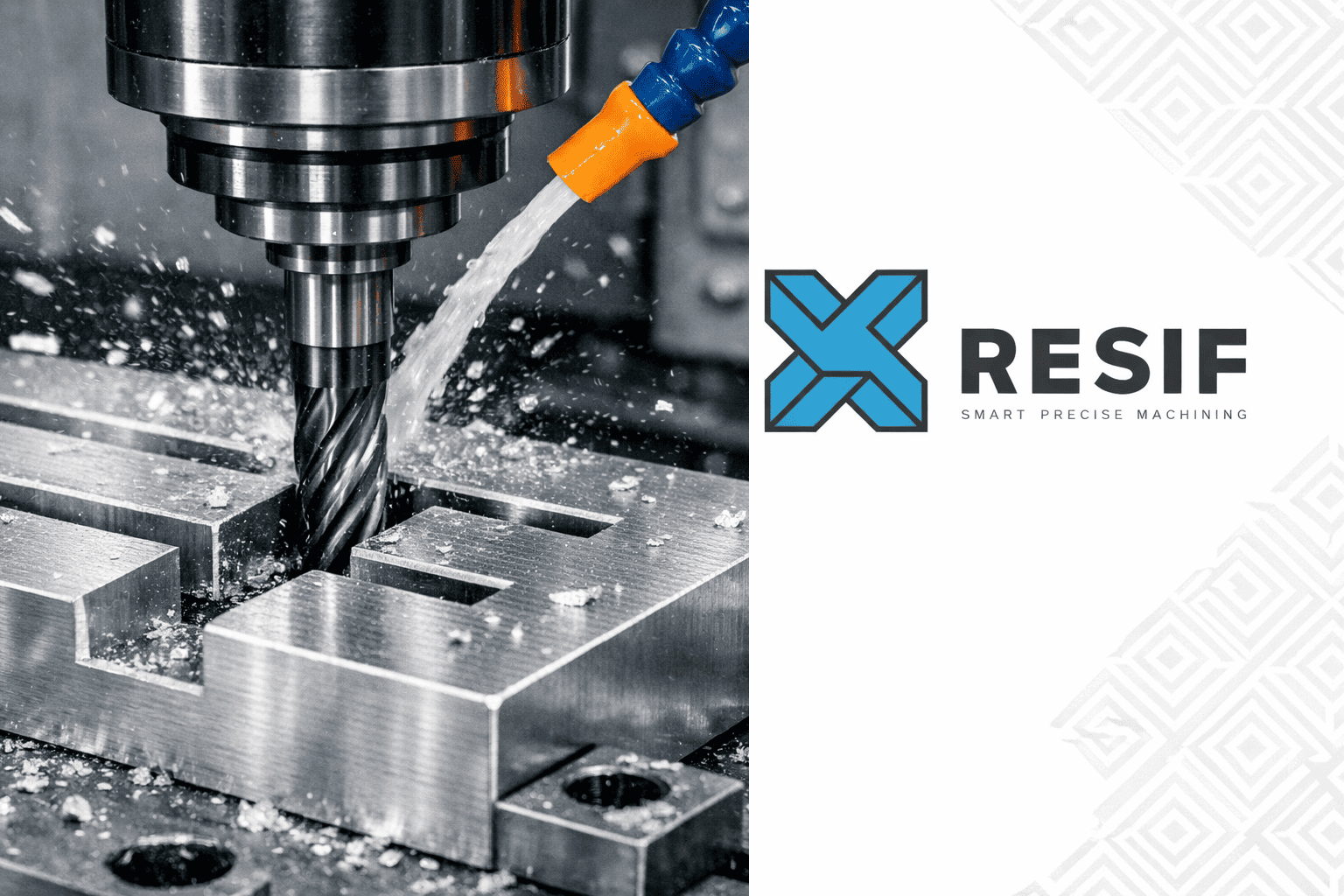
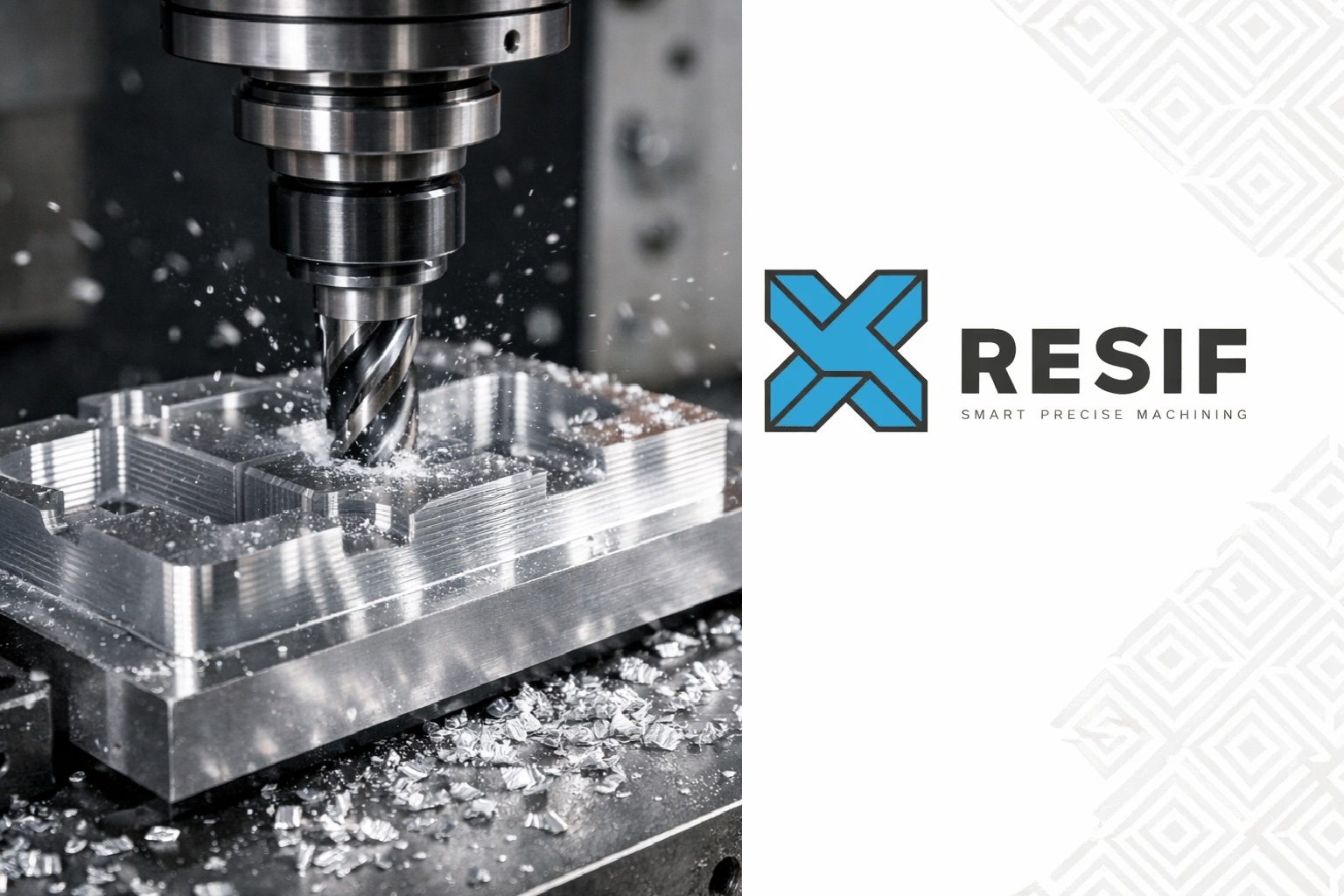
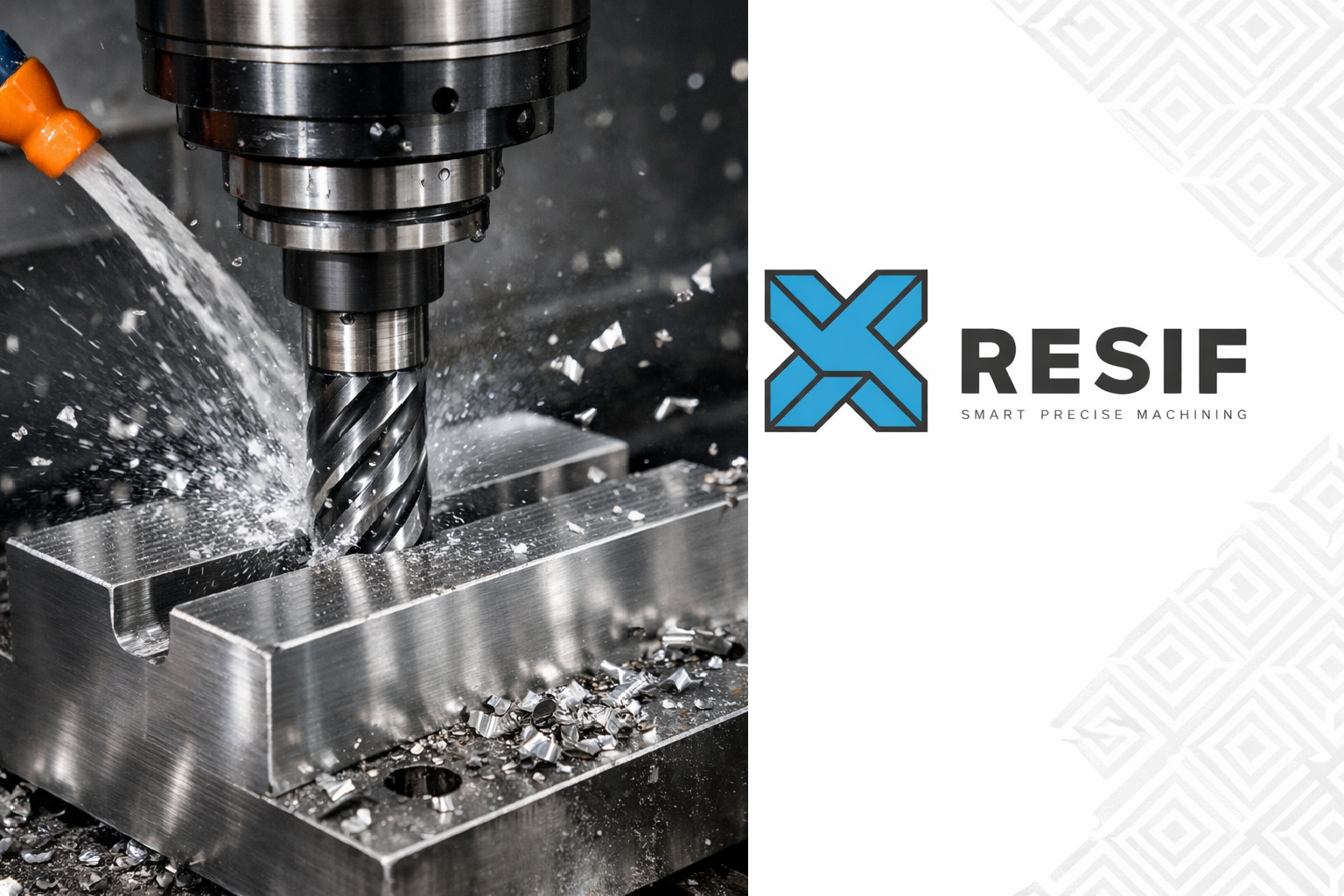
Turn-milling is a process in which a workpiece is simultaneously subjected to turning (part rotation) and milling (tool rotation). This combination of the two methods allows for the complete machining cycle to be performed on a single machine.
The workpiece machining process includes:
- workpiece clamping in a chuck or collet;
- sequential execution of turning and milling operations;
- automatic tool change;
- dimensional control during machining.
Turn-milling is used to produce a wide range of parts:
- Shafts
- Bushings
- Housings
- Flanges
- Gears
Complex geometric components – parts with combined surfaces, internal channels, grooves, chamfers, and threads.
Features of CNC Turn-Milling Machines
CNC machines perform machining using a pre-prepared digital model (G-code).
Key Features:
- Automation of all operations;
- High positioning accuracy;
- Capability of machining in 3-5 coordinates;
- Execution of complex tool paths.
Main Equipment Capabilities:
- Multi-Axis Machining – simultaneous operation along multiple axes. High repeatability – dimensional stability in serial production.
- Machining of complex contours – 3D surfaces, curved elements.
- Minimization of the human factor – automation reduces the risk of errors.
- Serial and mass production – high productivity.
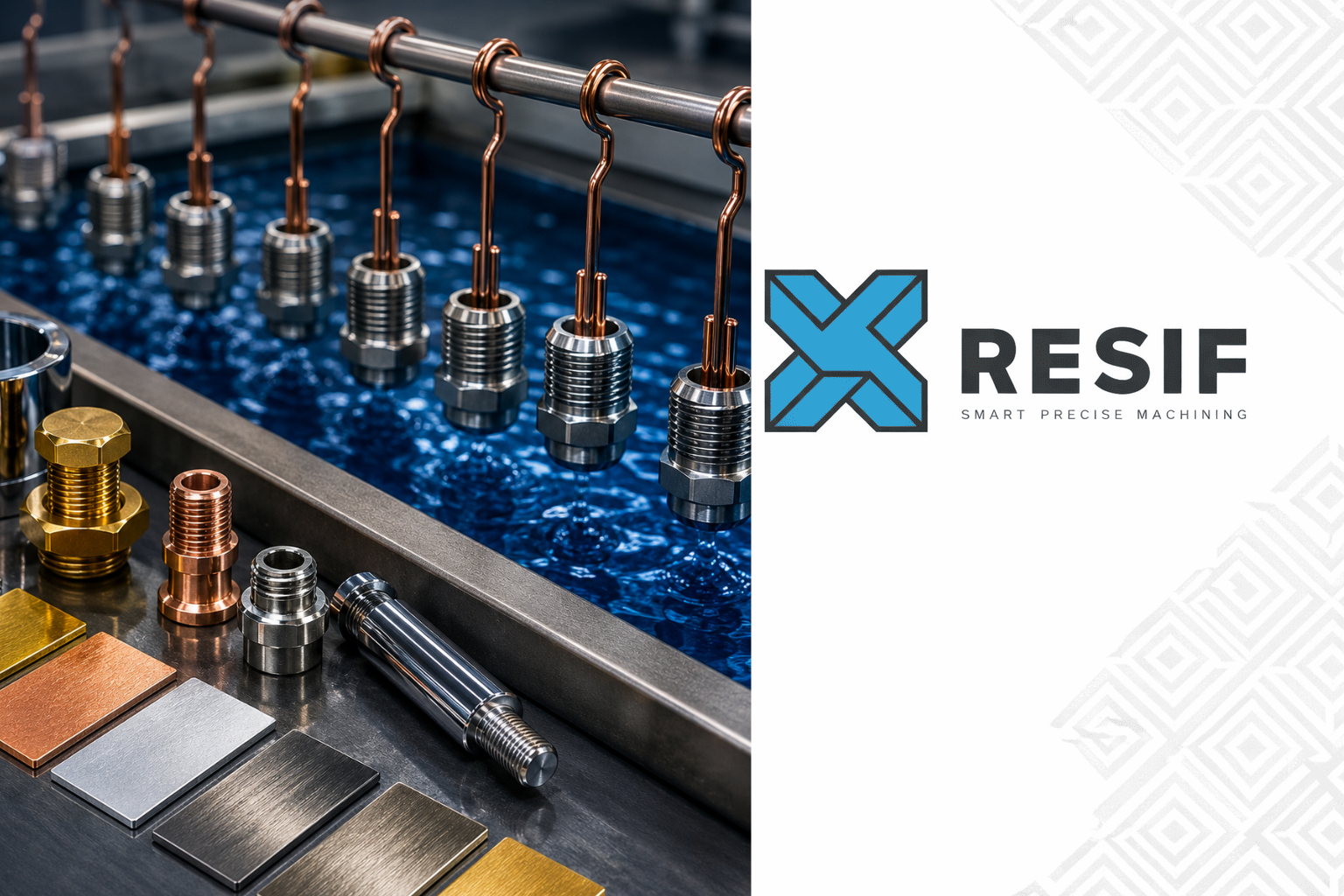
Turn-milling is suitable for most structural and engineering materials:
- Steel (20, 40X, 45)
- Stainless steel (40X13; 12X18N10T)
- Aluminum (AMg, D16, 6061, 7075)
- Brass (L63, LS59)
- Copper (M1, M2)
- Titanium (VT1-0, VT6)
- Engineering plastics (POM, PTFE, PA6, PEEK)
Advantages of Turn-Milling
High manufacturing precision
This technology ensures:
- minimum tolerances of up to ±0.005 mm;
- dimensional stability within a batch;
- high surface quality (Ra 0.8-1.6 µm);
- precise alignment of turned and milled surfaces.
This is critical for critical components: hydraulic components, gearbox housings, and precision assemblies.
Reduced production lead times
Reasons for acceleration:
- Combining operations on a single machine;
- No need for re-homing;
- Automatic tool change;
- Reduced inspection and adjustment time.
Average reduction in production cycle time: up to 40-60%.
Cost-effectiveness
Savings are achieved through:
- Reduced scrap;
- Reduced manual rework costs;
- Reduced machining time;
- Optimized equipment utilization.
Ability to manufacture complex parts
Turning and milling allows for the production of:
- Parts with complex geometry;
- Combined surfaces (cylindrical and flat);
- Internal channels and cavities;
- Threads, grooves, chamfers, pockets;
- Parts requiring single-setup machining.
Turning and Milling Services at RESIF Technologies Bel LLC
RESIF Technologies Bel LLC provides turning and milling services for companies requiring precision machining of metals and engineering plastics. Production is focused on manufacturing parts based on customer drawings, including 2D designs and complex 3D models.
The company uses modern CNC equipment, ensuring high precision, repeatability, and the ability to machine complex geometries in a single setup. This allows for the efficient production of shafts, bushings, housings, flanges, gears, and other parts requiring a combination of turning and milling operations.
A key advantage is the combination of technological equipment and strict quality control. Each part is checked for dimensions, roughness, and compliance with technical requirements. This ensures that customers receive products with high precision and minimal production times.
RESIF Technologies Bel LLC is open to collaboration with companies seeking a reliable and technologically advanced facility for turning and milling operations.
Conclusion
Turning and milling remains a key technology in modern mechanical engineering due to its high precision, versatility, and cost-effectiveness. CNC machines allow for the production of complex parts in a single setup, reducing lead times and improving product quality.