1. Introduction
Aluminum milling is a modern metalworking method in which material is removed using a rotating cutter to produce parts of specified shapes and sizes. Due to its high precision and productivity, this technology is widely used in industry for the production of complex components.
Aluminum is one of the most sought-after materials due to its light weight, high corrosion resistance, good thermal conductivity, and excellent machinability. Its density is approximately 2.7 g/cm³, making products significantly lighter than their steel counterparts.
2. Features of Aluminum Milling
CNC Machining Technology
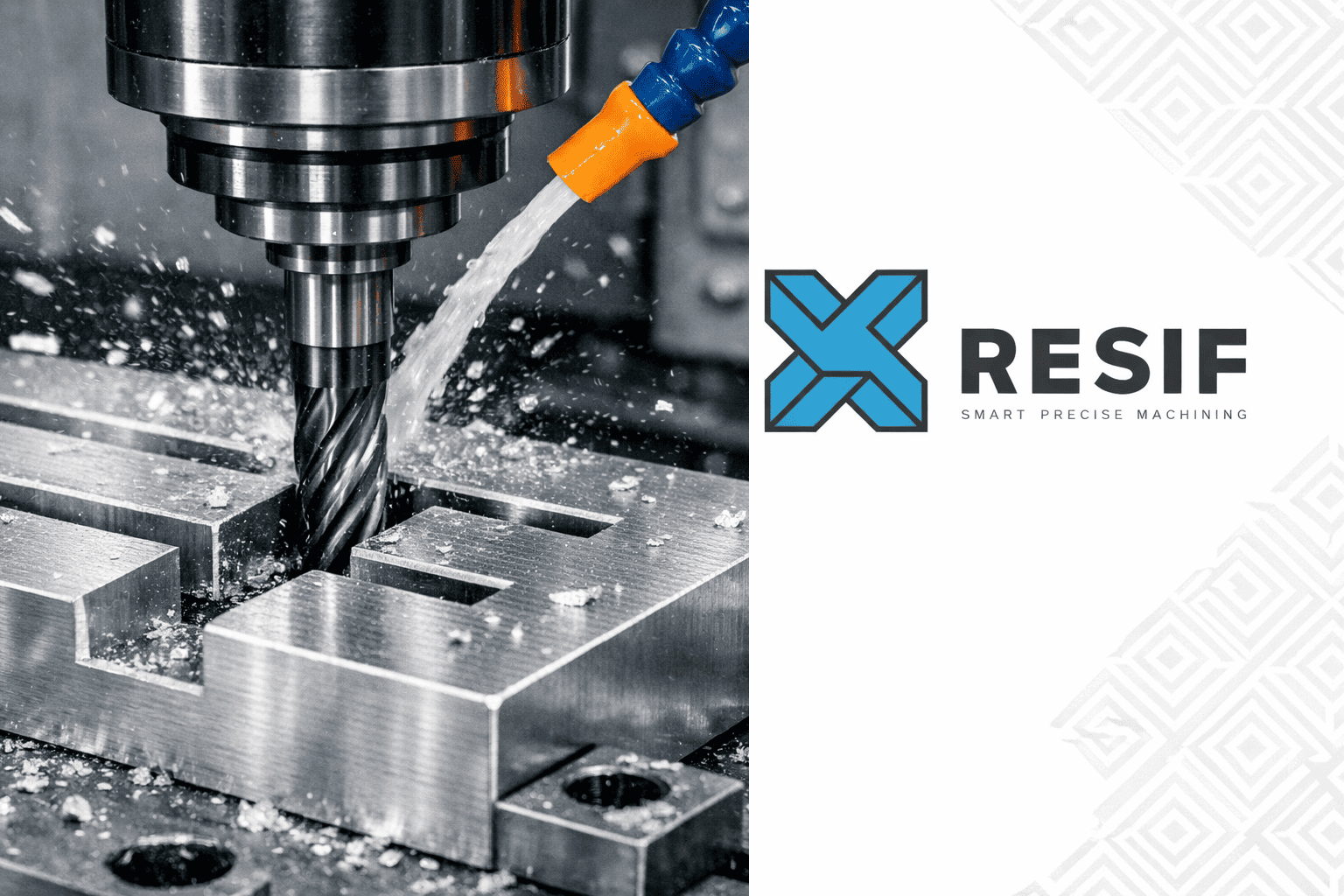
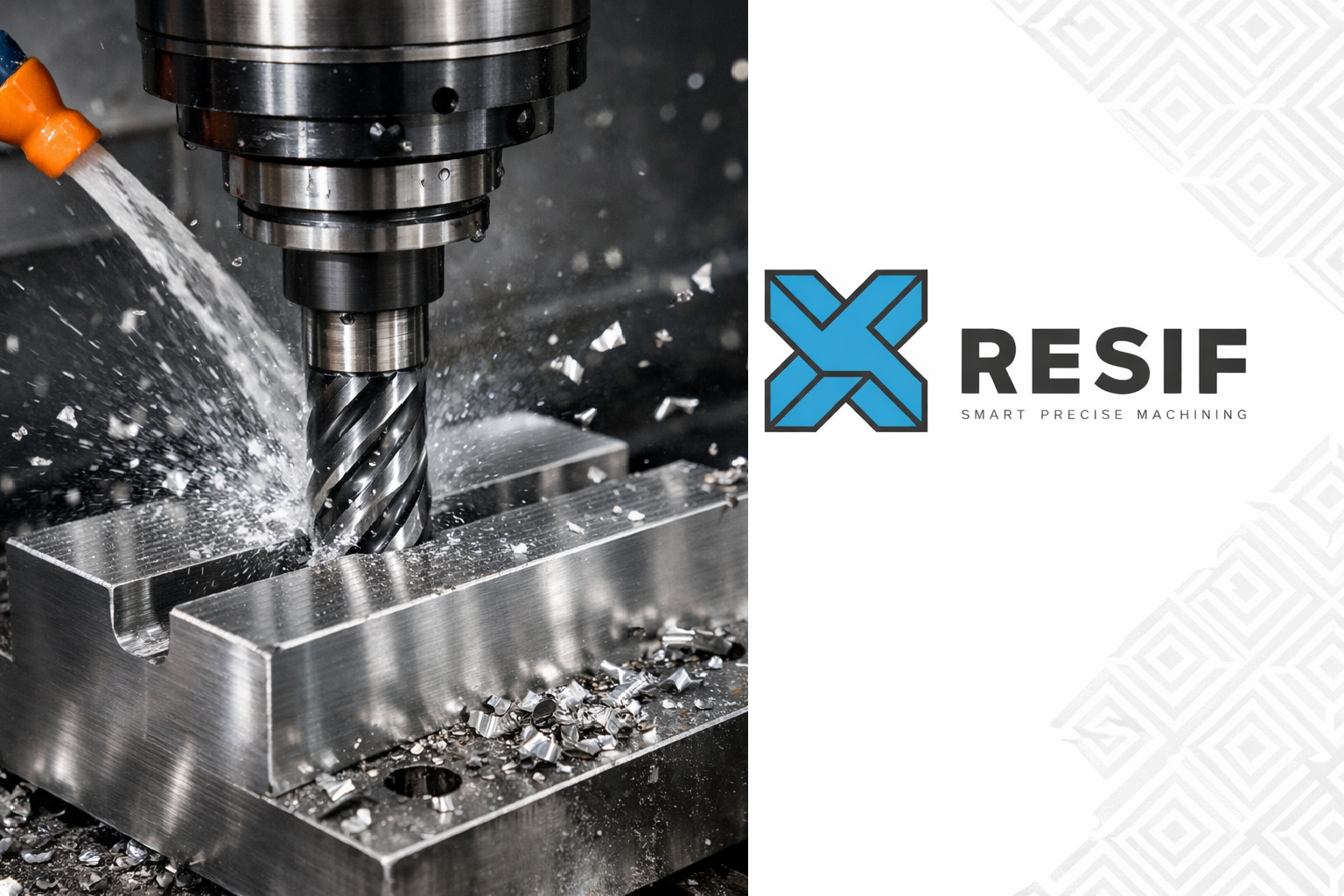
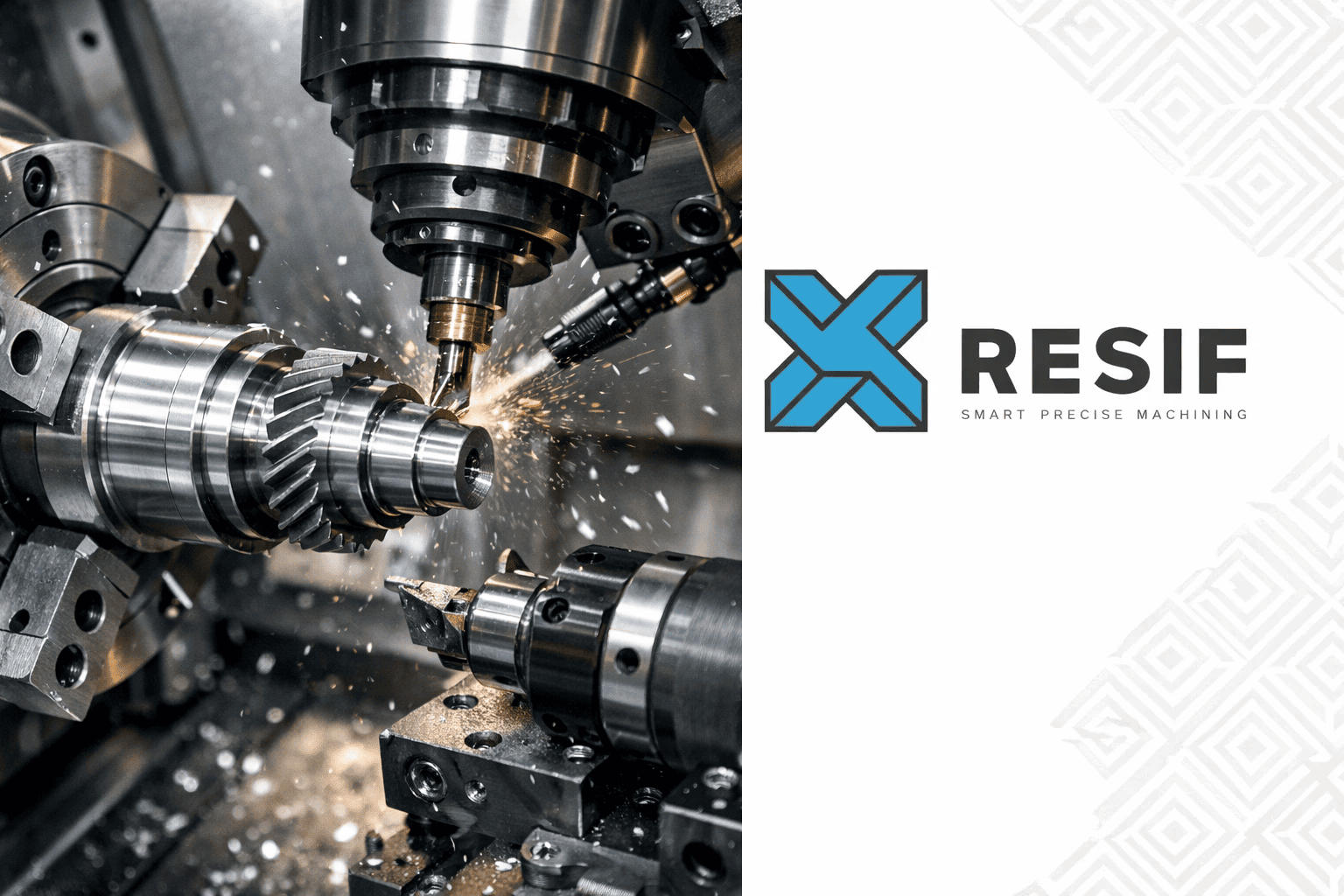
Modern aluminum CNC milling is performed on high-precision CNC machining centers. The process includes part model development, NC program preparation, roughing and finishing, and quality control of the finished product.
Machining accuracy on modern machines can reach ±0.01 mm.
Working with Aluminum Alloys
Aluminum is easy to machine, but requires proper tool selection and cutting conditions. Special carbide cutters and coolants are used to prevent overheating and material sticking.
Manufacturing Precision Requirements
High dimensional accuracy and surface quality are essential in the production of housings, instruments, and mechanical components. After finishing, surface roughness typically ranges from Ra 0.8 to 3.2 µm.
3. Advantages of Aluminum Milling
Aluminum milling is one of the most popular technologies for manufacturing metal parts due to its combination of high precision, productivity, and cost-effectiveness. Modern CNC equipment enables the machining of workpieces of varying complexity with minimal deviations from specified dimensions and high repeatability.
- High part accuracy. This technology enables the production of parts with minimal dimensional deviations and high geometric accuracy. Modern CNC machines enable the manufacture of parts with tolerances of up to ±0.01 mm.
- Capability of manufacturing complex components. Aluminum milling allows the creation of grooves, pockets, holes, seats, threaded connections, and other complex-shaped elements.
- High-quality surface finish. After milling, parts have a high-quality surface and can be further ground, polished, or anodized if necessary.
- Repeatability of products in serial production. The use of CNC machines ensures consistent quality and full compliance of all parts in a batch.
- Reliability and durability of finished products. Aluminum products offer high corrosion resistance, light weight, and a long service life, even under intensive use.
Thanks to these advantages, aluminum milling is successfully used for both the manufacturing of
Thanks to these advantages, aluminum milling is successfully used for both the production of single-piece parts and prototypes, as well as for the serial production of products for various purposes.
4. What parts are manufactured using milling?
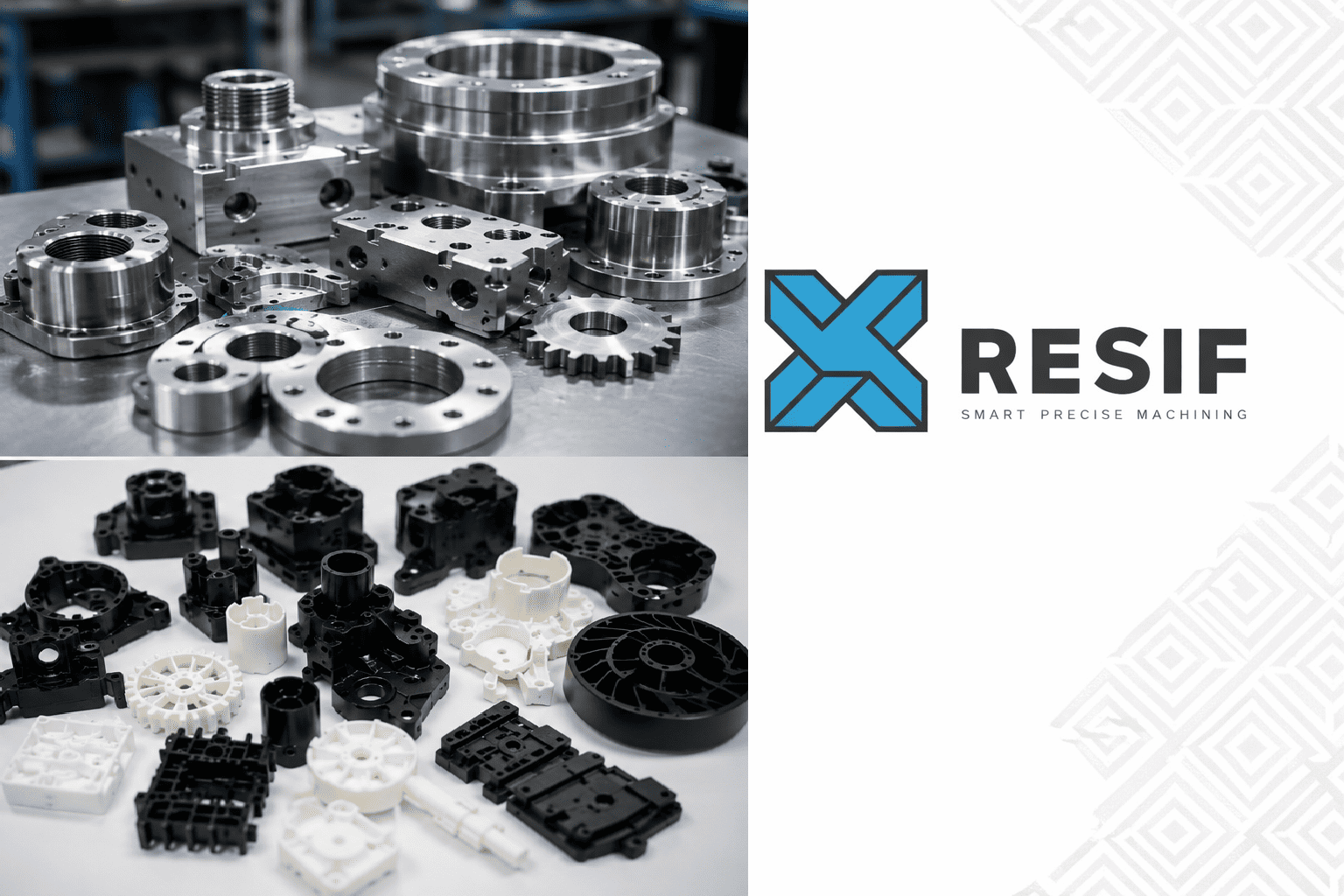
Milling allows for the production of a wide range of aluminum parts used in various industries. This technology enables the manufacture of both simple structural components and products with complex spatial geometries.
- Enclosures for instruments, electronic devices, and industrial equipment.
- Control panels, mounting bases, and brackets for various purposes.
- Components of machine tools, mechanical assemblies, and process equipment.
- Radiators and electronic components.
- Base plates, fasteners, and structural components.
- Custom products according to customer drawings and specifications.
The application of aluminum components is expanding every year. This is driven by the need to reduce structural weight, improve equipment energy efficiency, and extend the service life of products under various operating conditions.
5. Where is aluminum milling used?
Aluminum’s high performance characteristics and the wide range of modern machining capabilities make this technology popular in many industrial and manufacturing sectors.
- Mechanical engineering – manufacturing of machine parts, equipment housings, and structural elements.
- Instrument engineering – manufacturing of instrument housings, medical equipment, and measuring devices.
- Electronics – manufacturing of radiators, electronic device housings, and mounting panels.
- Industrial automation – manufacturing of components for robotic systems, control systems, and automated production lines.
- Construction and industry – manufacturing of façade structures, engineering systems, and industrial equipment.
The application of aluminum components is expanding every year. This is due to the need to reduce the weight of structures, improve the energy efficiency of equipment, and extend the service life of products under various operating conditions.
6. Aluminum Milling Services from RESIF
RESIF offers comprehensive services for the manufacturing of aluminum parts for various applications. Our production capacity allows us to fulfill orders of any complexity, while adhering to design documentation and industry quality standards.
- We select the optimal machining technology to achieve the required product performance characteristics.
- We perform our work on modern CNC equipment, ensuring high manufacturing precision.
- We manufacture parts based on customer drawings, 3D models, and technical specifications.
- We manufacture one-off parts, prototypes, and serial production runs.
- We maintain quality control at all stages of production, from material inspection to acceptance of finished parts.
- We work with various grades of aluminum and aluminum alloys, depending on project requirements.
RESIF welcomes manufacturing companies, mechanical engineering companies, integrators, equipment developers, and other organizations interested in a reliable partner for the manufacturing of aluminum parts. We are ready to handle orders of any complexity, from prototypes to mass production with regular deliveries.
Our specialists will conduct a technical analysis of your project, select the optimal production technology, and ensure high product quality, strict compliance with documentation requirements, and agreed-upon deadlines.
7. Conclusion
Aluminum milling is an effective method for producing precise and reliable parts for various industries. High precision, the ability to create complex shapes, excellent surface quality, and repeatability make this technology popular in mechanical engineering, instrument making, electronics, and construction. We offer a full range of services for the production of aluminum parts of any complexity using modern equipment and strict quality control.