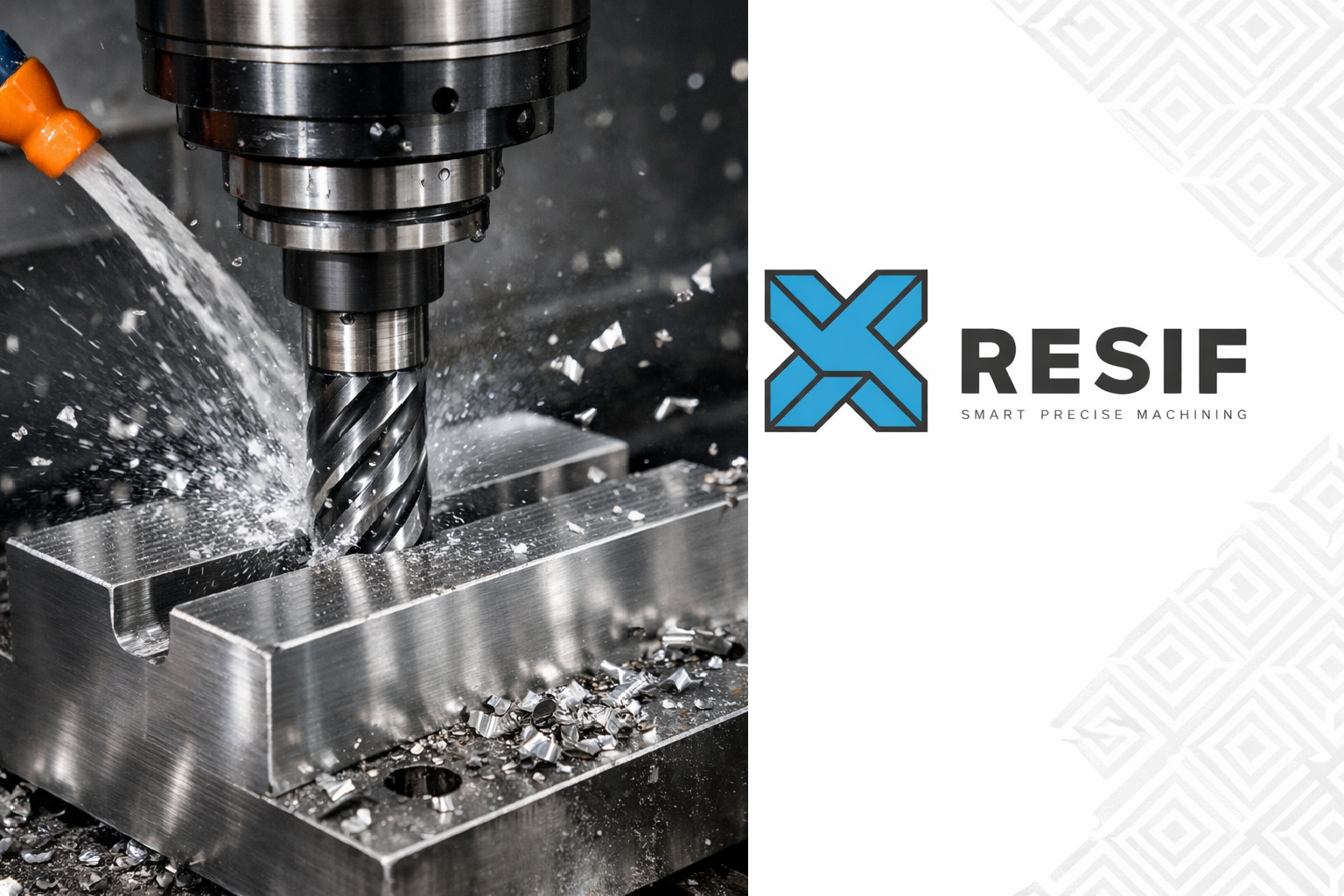
1. Introduction
Stainless steel milling is a high-precision industrial process used to manufacture components exposed to high levels of corrosion, temperature fluctuations, and mechanical stress. Stainless steel is used in mechanical engineering, chemical equipment, food processing, medicine, energy, and other industries where durability and stability are required.
The complexity of stainless steel machining stems from its physical and mechanical properties: low thermal conductivity, high ductility, susceptibility to work hardening, and increased strength. These factors require strict adherence to cutting conditions, the use of specialized tooling, and thermal process control. For companies operating in the industrial sector, the precision of machining determines the quality of the final product, its service life, and operational safety.
2. Characteristics of Stainless Steel as a Material
Key Properties of Stainless Steel:
- Tensile Strength: 500-900 MPa;
- Hardness: 180-250 HB;
- Thermal conductivity: 14-16 W/m K (3-4 times lower than that of carbon steel);
- High ductility and toughness.
The effect of alloying elements on the properties of steel and its processing:
- Chromium increases corrosion resistance and hardness.
- Nickel improves ductility but complicates cutting.
- Molybdenum increases heat resistance but reduces machinability.
- Titanium and niobium stabilize the structure but increase tool wear.
Why stainless steel is less machinable than ordinary steel:
- Higher cutting resistance;
- Grows hotter;
- Wears tools faster;
- Requires precise selection of cutting conditions.
One of the key problems is low thermal conductivity: heat is concentrated in the cutting zone, leading to tool overheating and chip adhesion. The tendency to work hardening causes localized hardening of the surface, increasing the load on the cutting edge.
3. Main Types of Stainless Steel for Milling
Austenitic steels (AISI 304, 316)
- the most common;
- high ductility;
- high work hardening;
- low thermal conductivity.
Martensitic steels (AISI 410, 420)
- high hardness;
- better machinability than austenitic steels;
- require rigid tooling.
Ferritic steels (AISI 430)
- moderate strength;
- better machinability;
- low ductility.
4. Stainless Steel Milling Technology
The process begins with workpiece preparation: surface cleaning, geometry checks, and stress relief if necessary. Rigid clamping of the part is essential, as stainless steel is sensitive to vibration.
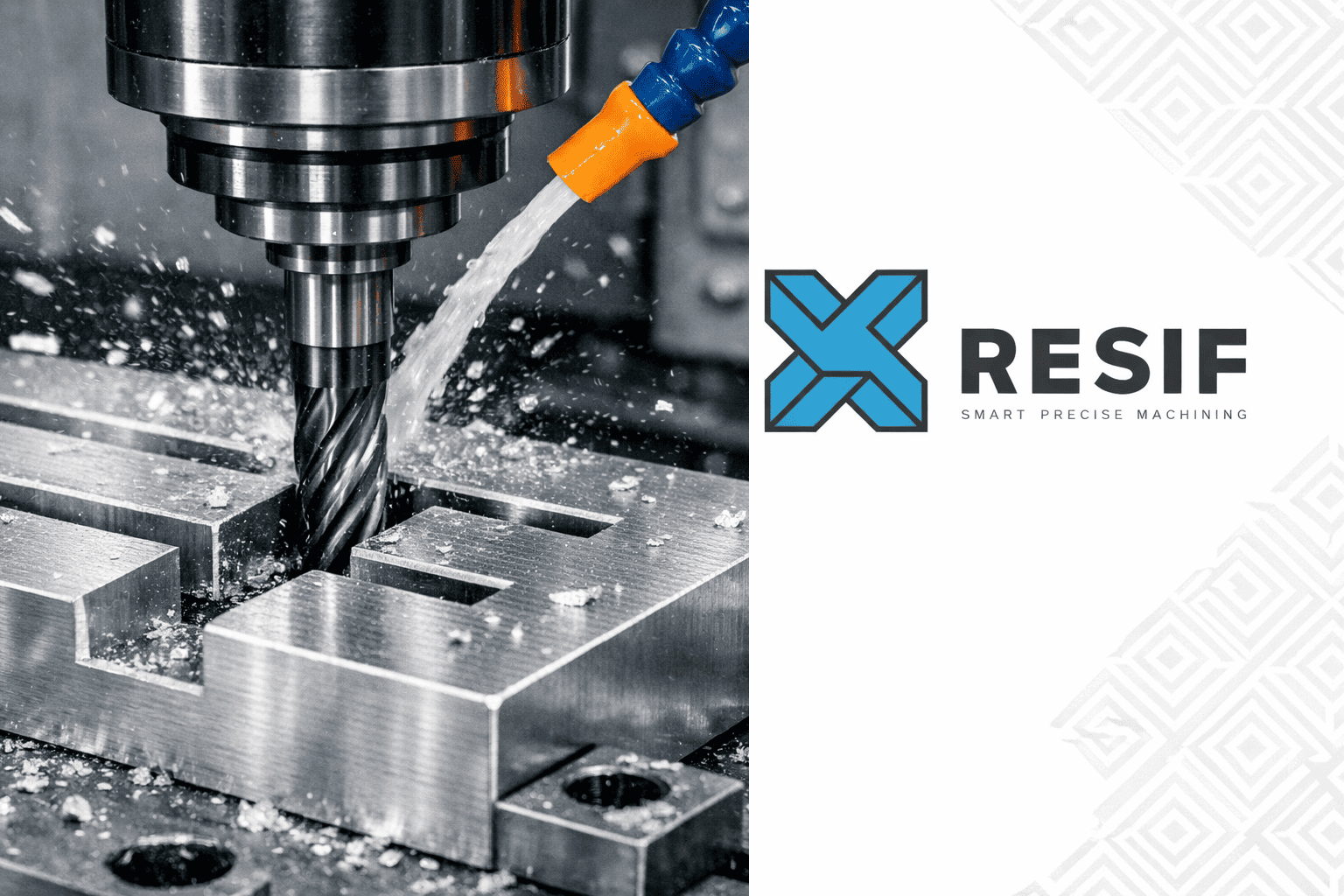
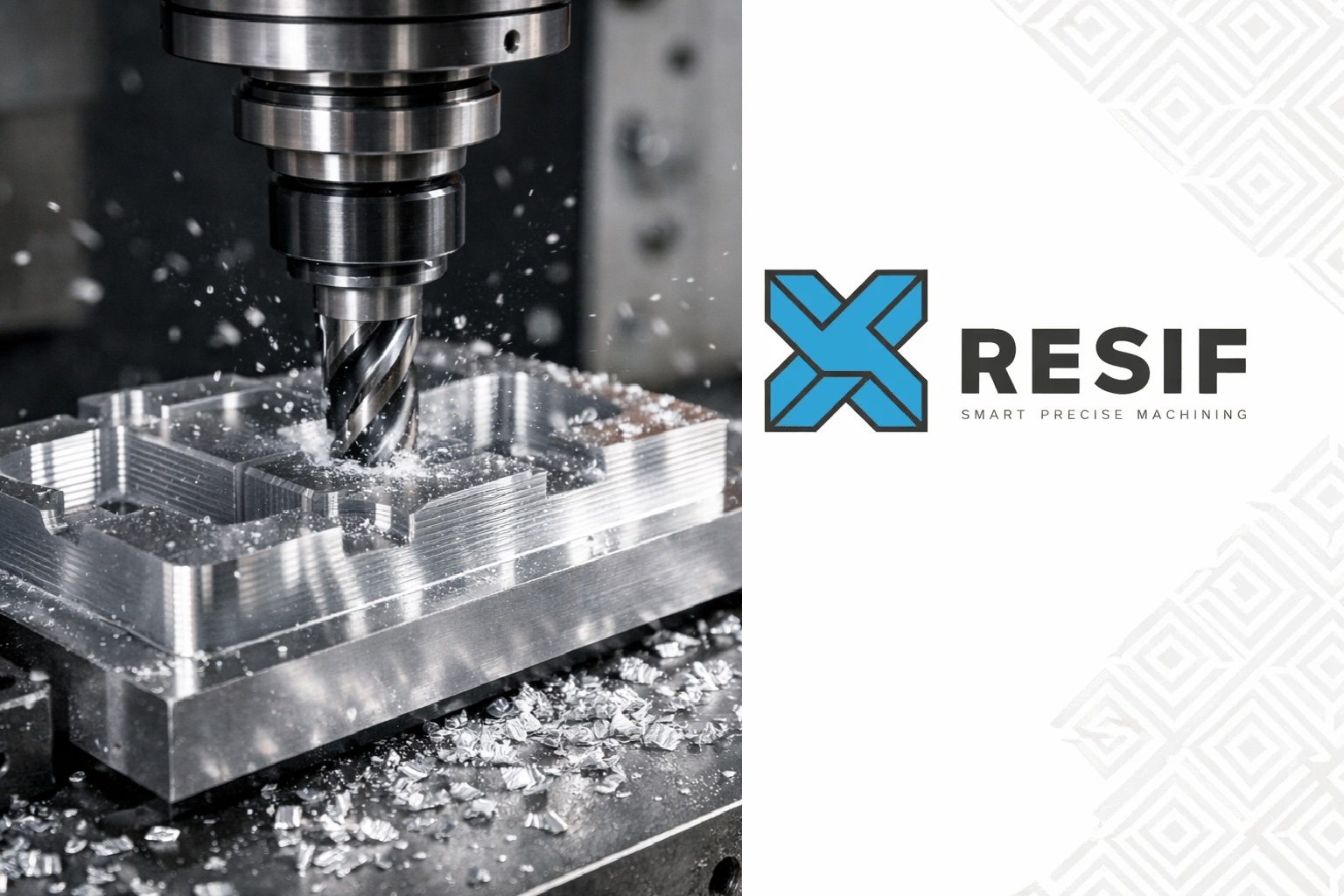
Tool selection plays a key role. For stainless steel milling, solid carbide cutters with a positive rake angle and increased helix angle are used. Cutting conditions are selected based on the steel grade and the required accuracy. Temperature control is essential, as overheating causes tool sticking and failure.
5. Stainless Steel Milling Tool
Stainless steel milling tools are used for high-temperature machining. TiAlN, AlTiN, and TiCN coatings reduce friction and increase tool life. Solid carbide cutters are used for high-precision machining, while composite cutters are used for intensive metal removal.
The cutting edge geometry must ensure smooth cutting action and effective chip evacuation. Tool wear manifests itself as chipping, thermal failure, and adhesion.
Key tool requirements:
- Carbide base;
- Heat-resistant coating;
- Positive rake angle;
- Increased helix angle;
- Polish flutes.
6. Main Challenges in Milling Stainless Steel
Milling stainless steel presents a number of process challenges. Overheating the cutting zone causes material adhesion and tool failure. Work hardening increases cutting resistance and causes vibration. Thin-walled parts are prone to deformation, especially if the clamping is insufficient.
Rapid tool wear is another typical problem. Stainless steel has high adhesion, so chips often stick to the cutting edge, causing microchips and deteriorating surface quality.
Main processing challenges:
- Overheating;
- Chip adhesion;
- Work hardening;
- Vibration;
- Distortion;
- Accelerated tool wear.
7. Main Challenges in Milling Stainless Steel
Milling stainless steel presents a number of process challenges. Overheating the cutting zone causes material adhesion and tool failure. Work hardening increases cutting resistance and causes vibration. Thin-walled parts are prone to deformation, especially if the clamping is insufficient.
Rapid tool wear is another common problem. Stainless steel has high adhesion, so chips often stick to the cutting edge, causing microchips and deteriorating surface quality.
Main processing problems:
- overheating;
- chip sticking;
- work hardening;
- vibration;
- deformation;
- accelerated tool wear.
8. Methods for Improving Machining Quality
Modern methods for managing thermal and mechanical loads are used to improve machining quality. The use of coolant provides cooling, lubrication, and efficient chip removal. Rigid workpiece clamping reduces vibration and improves accuracy.
Modern CAM systems optimize tool paths, reducing cutting edge load. Trochoidal milling ensures uniform heat distribution and increases tool life. High-speed machining (HSM) is used for thin-walled parts and minimizes work hardening.
9. Modern Stainless Steel Machining Technologies
CNC milling ensures high precision, repeatability, and process stability. 3-axis machining is suitable for most applications, while 5-axis machining allows for complex spatial surfaces, reducing the number of setups and improving accuracy.
HSM technologies allow for machining stainless steel with small cutting depths at high feed rates, reducing thermal load. Automated production—robotized systems, automatic tool changes, and load monitoring—increases productivity and reduces the risk of errors.
10. Equipment Requirements
Milling stainless steel requires a machine with a highly rigid structure, a powerful spindle, and a precise positioning system. The spindle power must ensure stable speed under load, and the cooling system must supply coolant at a pressure of 20-70 bar.
Positioning accuracy of 0.005-0.01 mm enables high-precision operations, and linear encoders ensure dimensional stability during long machining cycles.
Key machine requirements:
- rigid structure;
- powerful spindle;
- efficient cooling system;
- high positioning accuracy.
11. Stainless Steel Milling Services from RESIF Technologies Bel LLC
RESIF Technologies Bel LLC performs stainless steel milling on modern CNC equipment, ensuring high precision and dimensional stability. Our production focuses on manufacturing parts from various grades of stainless steel, from austenitic to martensitic alloys.
The company is open to long-term collaboration with industrial enterprises seeking a reliable stainless steel machining contractor.
Benefits of cooperation:
- High machining precision;
- Modern CNC equipment;
- Experience with various grades of stainless steel;
- Deadline compliance;
- Quality control and measurements at every stage.
12. Conclusion
Milling stainless steel is a technologically complex, yet extremely important process for modern mechanical engineering. The correct selection of machining strategy, tooling, and equipment enables high precision, dimensional stability, and a long service life of components. Modern CNC machines and high-speed machining methods significantly improve production efficiency.
Prospects for development lie in further automation, the implementation of intelligent control systems, and the improvement of cutting tools.