1. Introduction
The choice of slot machining method is a key factor determining the quality, precision, and performance characteristics of the finished part. Slotted elements are widely used in mechanical engineering, instrument making, and equipment manufacturing, so the correct selection of technology directly impacts the reliability of connections and the durability of the structure.
The relationship between part complexity and machining technology is reflected in the slot geometry, precision requirements, workpiece material, and production volume. The more complex the shape, the more sophisticated the equipment required to perform the operation. For example, simple straight slots can be machined on universal machines, while complex profiles require multi-axis CNC machining.
In practice, errors are often made in selecting a method, including using outdated equipment, misjudging the depth and precision, or attempting to reduce cost at the expense of quality. This leads to a reduction in the service life of the part and an increase in defects.
2. What types of grooves are there and why do they vary in complexity?
Straight grooves
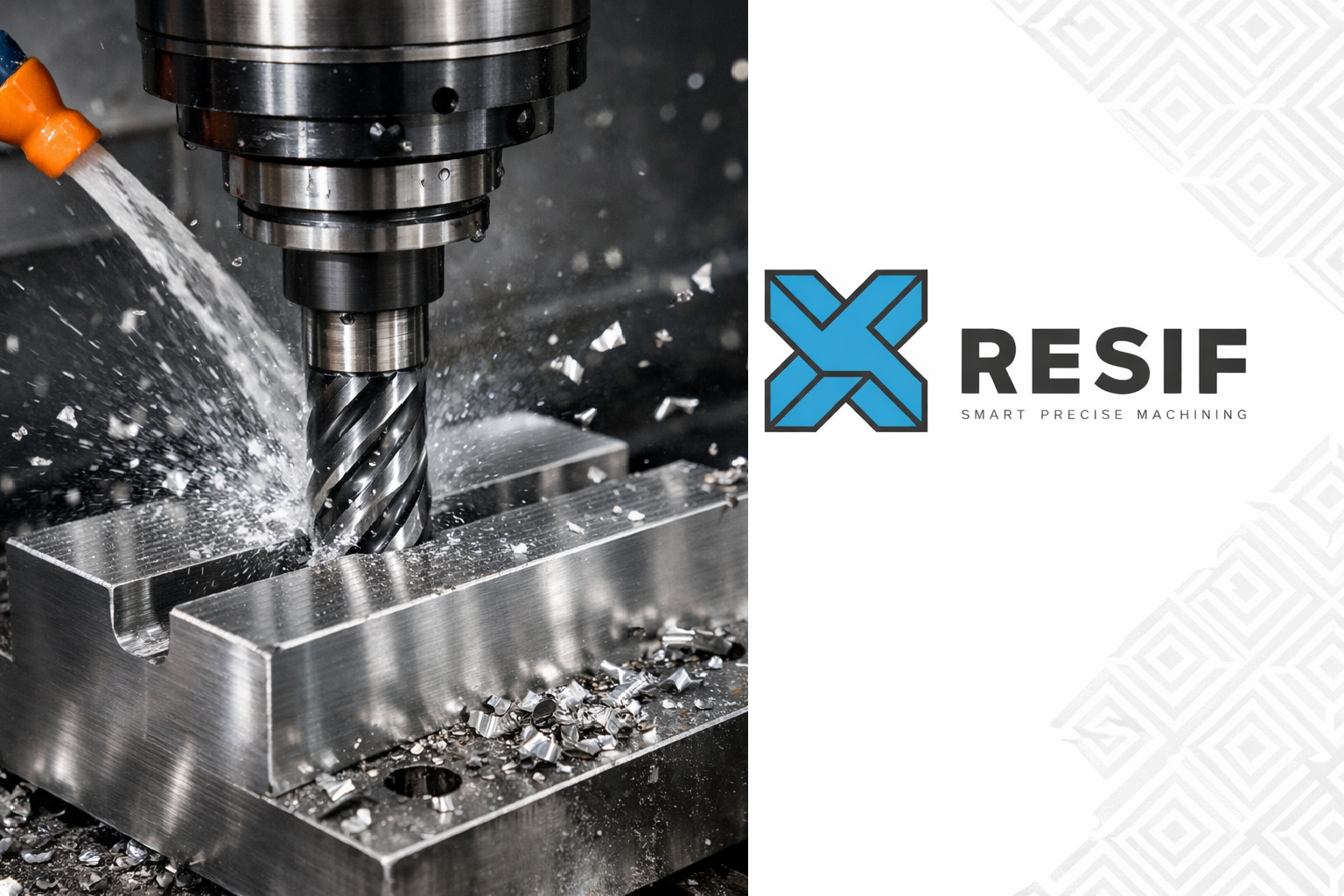
Straight grooves are the simplest to machine. They have a constant width and depth along their entire length and are used in basic joints. These features are often produced with standard end mills.
Keyways
Keyway machining is used to transmit torque between the shaft and the hub. They require a high precision fit, as even a deviation of 0.01–0.02 mm can cause play or binding.
T-slots
T-slot machining is used in machine tool manufacturing to secure parts to equipment tables. These grooves have a complex profile, including a narrow throat and a widened bottom, which complicates the machining process.
Shaped and non-standard grooves
This category includes grooves with complex shapes, including curved and combined profiles. Their production requires the use of CNC and specialized tooling.
The Impact of Geometry on Technology Selection
Groove geometry determines not only the tool but also the machining strategy. Narrow, deep grooves require low feed rates and multiple passes, while wide grooves require the use of disc or shaped cutters.
3. Basic Slot Machining Methods
End Milling
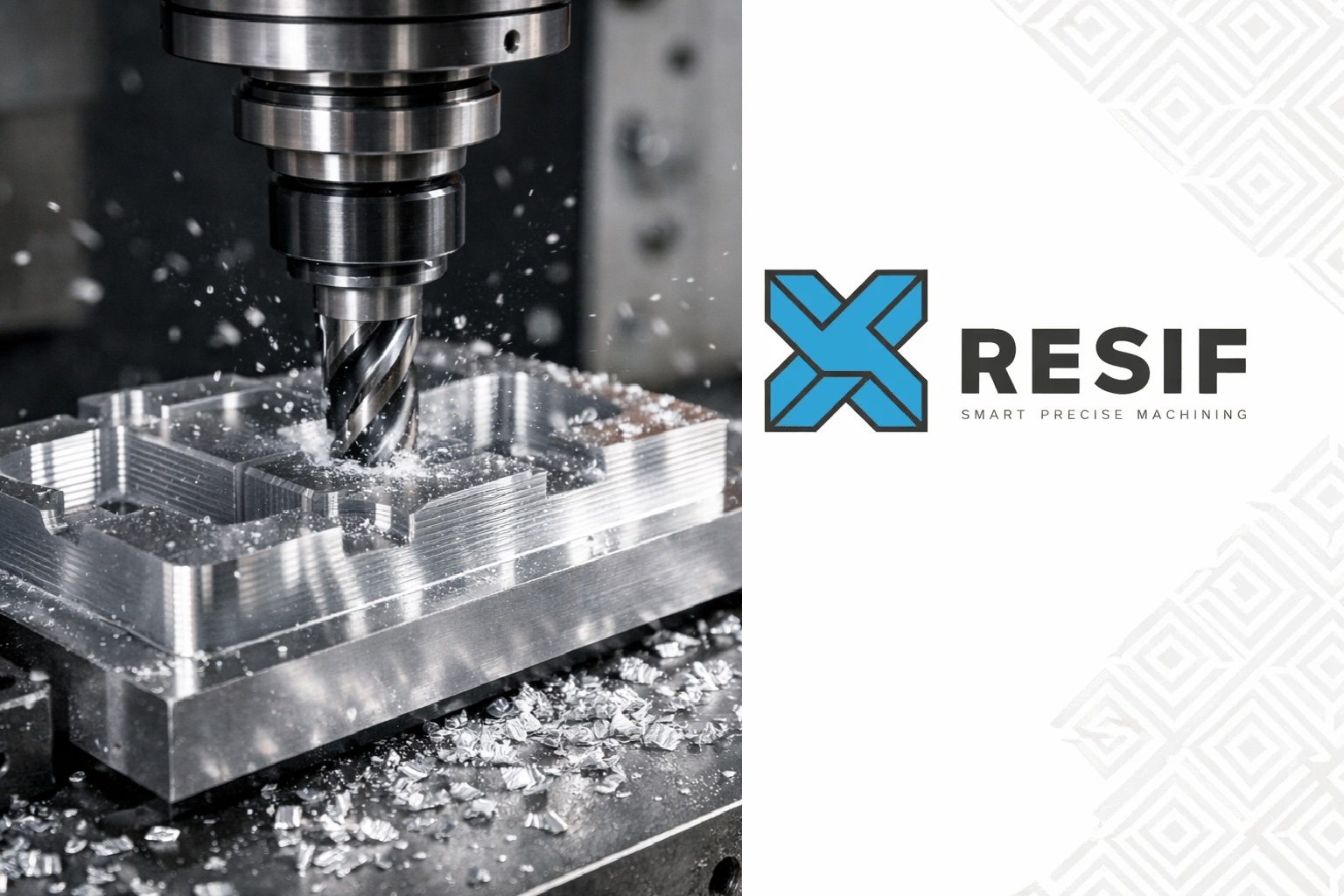
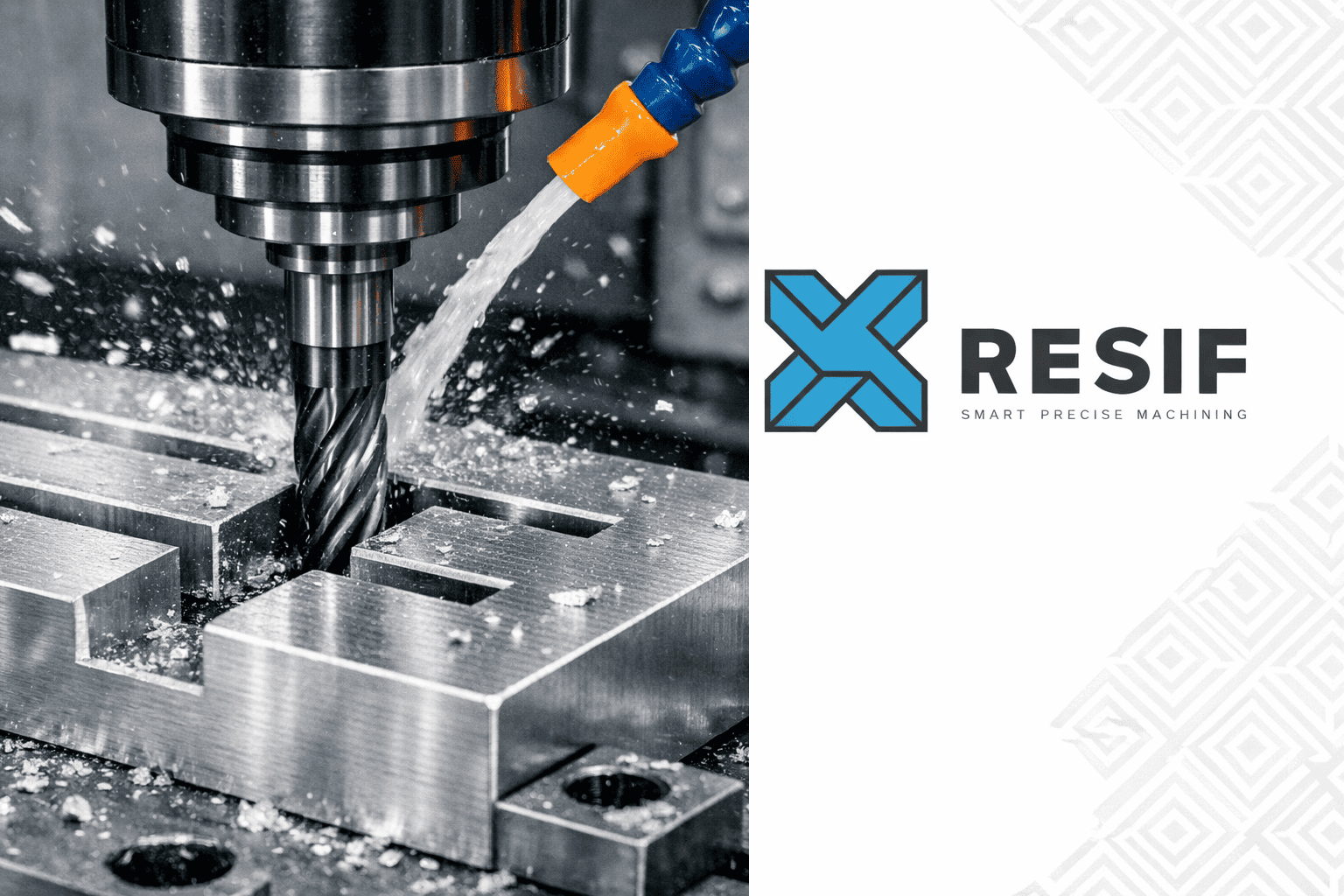
The most common method used for most standard operations. Slot milling with end mills offers versatility and affordability.
Disc Milling
Used for wide and deep slots where high material removal rates are required. This method ensures stable geometry and minimal deviations.
Multi-Operation CNC Machining
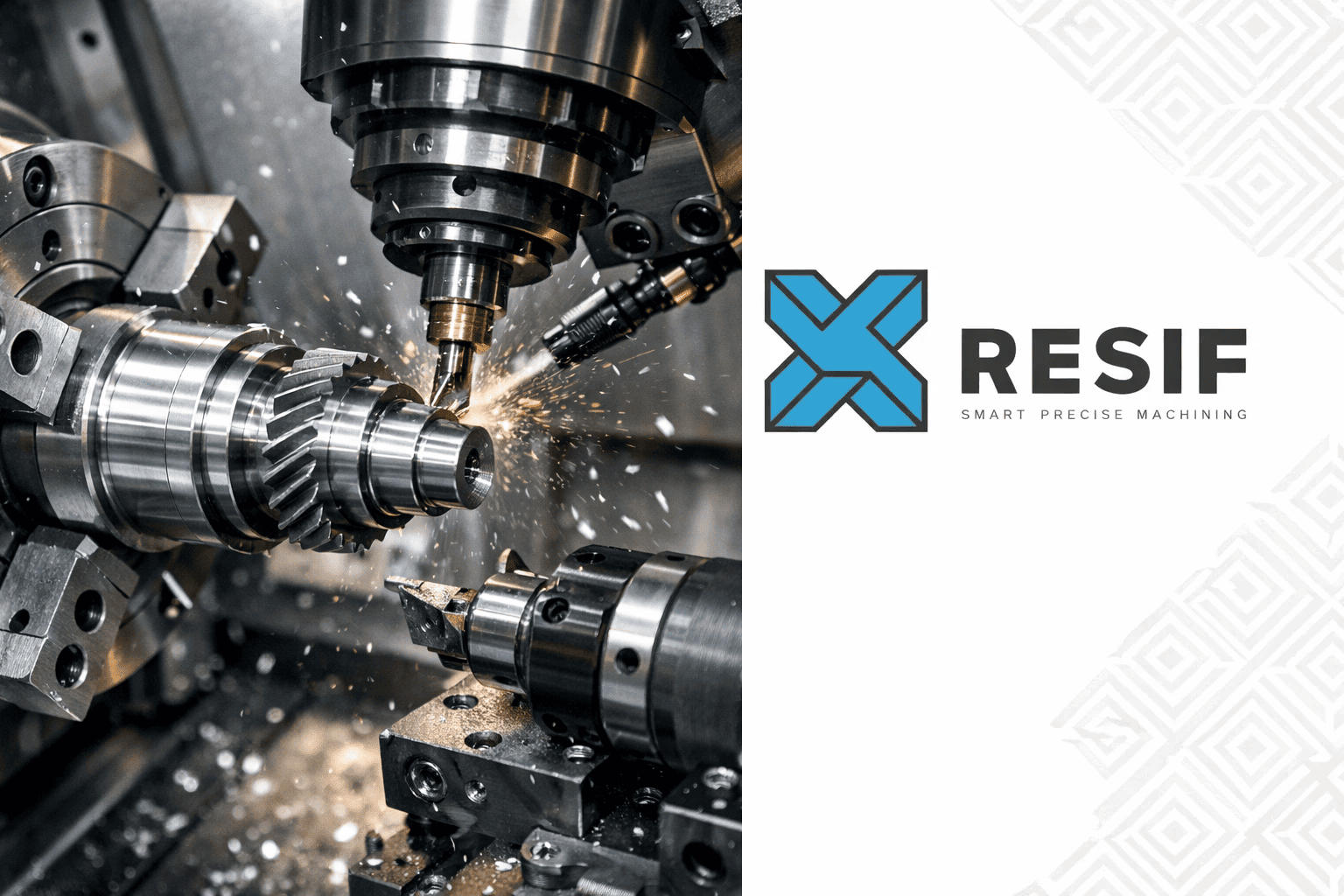
Slot machining on a CNC milling machine allows for complex toolpaths, combining operations, and achieving high accuracy of up to ±0.01 mm.
Combined Methods
Involve the use of multiple tool types and machining steps. Often used in the manufacture of complex parts requiring high precision and surface finish.
4. How does part complexity influence the choice of technology?
Simple parts: basic machining methods
For simple slots, universal milling machines are sufficient. The main criteria are minimal cost and high machining speed.
Medium complexity: CNC and combined operations
For moderately complex parts, CNC slot milling using multiple tools is used. This ensures a balance between precision and productivity.
High complexity: multi-axis machining and specialized solutions
For complex parts, 4-5-axis machining is used, allowing for the formation of slots with complex spatial geometry without repositioning the workpiece.
5. Key criteria for choosing a method for processing grooves
| Criterion | Influence on the choice of technology |
| Workpiece material | Defines the tool and cutting mode |
| Accuracy | Affects the choice of CNC or universal machine |
| Groove geometry | Determines the type of cutter |
| Production volume | Serial production requires automation |
| Equipment | Limits processing complexity |
Materials with high hardness require reduced feed rates and longer tool life, while soft alloys allow high-speed machining.
6. Equipment and technologies used in slot machining
CNC machines
The essential tool of modern industry. They enable complex operations to be performed with high repeatability and minimal operator intervention.
Universal milling machines
Used for single-piece production and simple operations that do not require high automation.
CAD/CAM systems
These allow for process simulation, optimize tool paths, and reduce the risk of manufacturing errors.
Modern cutting tools
TiAlN-coated carbide cutters are used, ensuring durability and cutting stability under high loads.
7. Common Mistakes in Selecting a Machining Method
When selecting a slot machining technology, it is important to consider the technical requirements of the finished part. Mistakes at the method selection stage can lead to reduced manufacturing accuracy, increased scrap, and additional costs for rework or remanufacturing. The most common mistakes are:
- Ignoring the complexity of the slot geometry and attempting to machine it on inappropriate equipment.
- Using outdated machines that do not provide the required accuracy.
- Incorrectly assessing tolerances, resulting in mismatched fit dimensions.
- Cutting costs on technology, leading to reduced quality and increased scrap.
Such errors are especially critical when manufacturing parts for critical components and assemblies.
8. Conclusion
Choosing the right slot machining technology is a critical step in component production. It directly impacts the accuracy, reliability, and service life of the product. Using modern methods, including CNC and CAD/CAM systems, enables high repeatability and machining quality, even with complex geometries.
Thus, a competent technological approach and professional equipment ensure an optimal balance between cost, quality, and productivity, which is especially important when manufacturing critical industrial components.
Slot machining is performed by RESIF as part of the comprehensive manufacturing process based on customer drawings and is not a standalone service. We ensure the required accuracy, quality, and compliance with design documentation when fulfilling orders.